
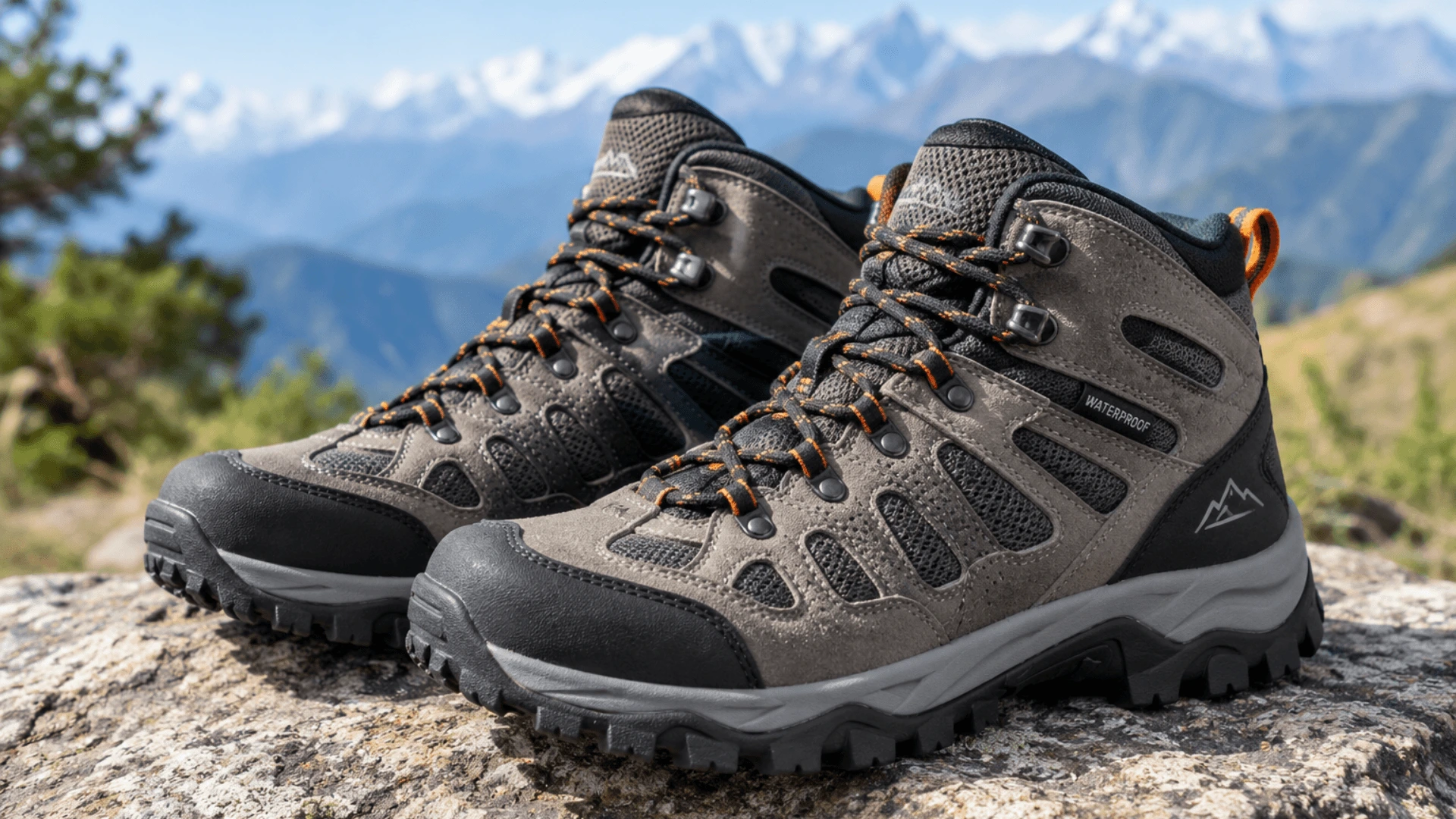
Getting ready for your first Kedarkantha trek and thinking about getting trekking shoes? Yes, trekking shoes that suit you well are a must for Kedarkantha trek, especially in the winter months when there may be snow, wet terrain, and slippy areas.
Even though normal sport shoes might seem comfortable to walk in, they may lack necessary traction, protection, and comfort on Himalayan trails. Therefore, picking the right shoes for yourself can be very helpful and ensure safe travel, preventing possible slips, blisters, and other problems.
Kedarkantha is a great place for winter trekking, located in the state of Uttarakhand. There are a lot of forest and snow paths, mountain campsites and breathtaking views from the summit. If you are planning to go on Kedarkantha trek for the first time, then picking the right shoes should be one of your considerations.
So in this guide, you will learn which shoes are best for Kedarkantha trek, if beginners can use sports shoes, how to pick up winter trekking shoes, and what should be considered before the trip.
Are Trekking Shoes Necessary for Kedarkantha?
Yes, trekking shoes are strongly recommended for Kedarkantha. The trail can be tricky. You might face ground, loose stones, muddy paths, snow or slippery spots. These conditions change with the season and weather. So having shoes matters a lot.
Good trekking shoes should give you grip, fit well, last long and protect your feet from moisture. Here’s why they’re important:
Better grip: Shoes with treads help you stay steady on rough or slippery paths.
Foot protection: An upper and sole shield your feet from rocks and sharp ground.
Comfort during walks: A snug fit prevents blisters and soreness on long days.
Moisture protection: Waterproof or water-resistant shoes keep your feet dry when it’s wet or snowy.
Stability: The right shoes help you walk confidently over ground.
What you need depends on the weather during your trek. A dry path doesn’t need as much protection as one covered in snow or ice.
Before you go check with your trek operator. Ask about expected trail conditions. They may suggest gear, like gaiters or ice cleats.
You can also explore the Kedarkantha Trek with TrekMount to learn more and plan your trip.
Can You Do the Kedarkantha Trek in Sports Shoes?
Ordinary sports shoes and casual sneakers are generally not recommended for the Kedarkantha trek, particularly when snow or slippery conditions are expected.
Many everyday sports shoes are designed for roads, gyms, or running surfaces rather than uneven mountain trails. Depending on their design, they may have shallow tread, limited protection from moisture, and less suitable construction for rough terrain.
Here is a simple comparison of common footwear options.
| Footwear type | Suitability for Kedarkantha |
| Ordinary running shoes | Generally unsuitable for snowy or slippery trail conditions |
| Casual sneakers | Not recommended for the main trek |
| Trail-running shoes | May suit some conditions if their grip and protection are appropriate |
| Hiking shoes with good traction | May be suitable depending on weather, terrain, and support needs |
| Trekking boots with a secure fit | A practical option for many winter trekking conditions |
| Waterproof trekking boots | Useful when wet snow, slush, or persistent moisture is expected |
Can running shoes be used for Kedarkantha?
It depends on the shoe design and the trail conditions, but ordinary running shoes should not be your first choice for a winter Kedarkantha trek.
Some trail-running shoes are designed for rough terrain, but even these may not provide enough protection or traction for every snowy or icy section.
Do not assume that a comfortable shoe will automatically be safe for snow. Choose footwear based on the actual conditions and your trek leader’s recommendations.
What Are the Best Shoes for the Kedarkantha Trek?
The best shoes for the Kedarkantha trek are the ones that fit comfortably. They should offer grip. They need to provide protection for the terrain and the weather that you will face. You do not necessarily need the expensive pair. Instead focus on the following features.
1. Good Grip and Traction
Grip is one of the most important features of Kedarkantha trek shoes.
Look for trekking footwear with a durable outsole and a tread pattern designed for uneven outdoor surfaces. It should provide traction on dirt, rocks, and muddy sections.
However, even good trekking soles cannot guarantee grip on smooth ice. If icy conditions are expected, ask your trek operator whether additional traction equipment is necessary.
2. Water Resistance or Waterproofing
During winter, your shoes may come into contact with snow, slush, mud, or water.
Water-resistant or waterproof trekking shoes can help prevent moisture from entering, making them useful when the trail is wet.
Keep in mind that waterproof footwear does not automatically keep your feet warm. Suitable socks, a comfortable fit, and proper moisture management are also important.
3. Ankle Support and Stability
High-ankle trekking boots cover more of the ankle than low-cut hiking shoes. Some trekkers prefer them because they provide additional coverage and may feel more supportive on uneven terrain.
However, high-ankle shoes are not automatically the best option for every trekker. Fit, stability, comfort, and sole traction matter just as much.
If you choose high-ankle boots, make sure they do not rub against your ankles or restrict comfortable movement.
4. Durable Construction
A good trekking shoe should have a durable sole, secure laces, and construction suitable for outdoor trails.
Avoid shoes with worn-out tread, damaged soles, or loose components. These problems can affect comfort and traction when walking on rough terrain.
5. A Comfortable Fit
Your trekking shoes should hold your feet securely without squeezing your toes.
Try them on with the socks you plan to wear during the trek. Check that your toes have enough room and that your heel does not slide excessively while walking.
Your feet may swell slightly during long walks, so a shoe that feels comfortable only while standing still may not be suitable for a full trekking day.
Are Waterproof Trekking Shoes Necessary for Kedarkantha?
Waterproof trekking shoes are helpful when the path might have snow or slush or muddy areas or water that stays around.. If you need shoes that are completely waterproof depends on the time of year and what the path is actually, like.
Consider these general situations:
- Dry trails: Trekking shoes with good traction may be sufficient if they offer appropriate protection for the terrain.
- Wet or muddy trails: Water-resistant or waterproof footwear can help keep your feet dry.
- Snow-covered trails: Footwear with suitable traction and moisture protection is recommended.
- Deep snow: Gaiters may help prevent snow from entering around the tops of your shoes.
- Icy sections: Additional traction equipment may be required, depending on conditions.
Waterproof shoes also have limitations. Water can enter through the top, and prolonged exposure to snow or moisture may eventually make your feet wet.
Carry spare socks and change into dry ones when needed, particularly after reaching camp.
Do Beginners Need High-Ankle Trekking Shoes for Kedarkantha?
High-ankle trekking boots can be a practical option for beginners because they provide extra coverage around the ankle and may feel supportive on uneven terrain.
However, beginners do not automatically need high-ankle boots for every Himalayan trek.
When choosing between high-ankle boots and low-cut hiking shoes, consider:
- The expected amount of snow and rough terrain.
- The grip and stability of the sole.
- Your comfort while walking uphill and downhill.
- Whether the shoe fits securely without rubbing.
- The recommendations of your trek operator.
For a winter Kedarkantha trek, sturdy trekking boots with good grip and suitable weather protection are often a practical choice. Your final decision should depend on the expected conditions and the footwear’s performance, not simply its height.
Should You Rent or Buy Trekking Shoes for Kedarkantha?
If this is your first Himalayan trek, renting trekking shoes may be worth considering, especially if you do not expect to use them regularly.
Buying can be a better option if you plan to trek frequently and want to select footwear that fits your feet precisely.
Consider renting if:
- You are trying trekking for the first time.
- You do not want to invest in shoes for a single trip.
- Suitable rental footwear is available in your size.
Consider buying if:
- You plan to go trekking regularly.
- You want to test and break in your own shoes before departure.
- You need a specific fit or footwear feature.
If you rent shoes, inspect the soles for wear, check the laces and overall condition, and walk in them before starting the trek. Confirm availability, sizing, rental charges, and suitability with your trek operator in advance.
How to Prepare Your Trekking Shoes Before Kedarkantha
Choosing the right footwear is only the first step. You should also prepare your shoes before reaching the mountains.
Follow these practical tips:
- Wear them before the trek: Take several short walks to identify discomfort early.
- Test the fit with trekking socks: Use the same type of socks you plan to wear on the trek.
- Check the laces: Your shoes should hold your feet securely without creating pressure points.
- Inspect the soles: Make sure the tread is not worn out or damaged.
- Check for rubbing: Pay attention to your heels, toes, and ankles during practice walks.
- Carry spare socks: A dry pair can be useful if your socks become wet.
- Avoid brand-new shoes on trek day: Give yourself time to identify fitting problems before departure.
These simple preparations can help you avoid common footwear problems during long walking days.
Common Footwear Mistakes to Avoid on the Kedarkantha Trek
Even a good pair of trekking shoes can cause problems if you choose or use them incorrectly.
Avoid these common mistakes:
- Wearing ordinary sneakers on snow-covered trails.
- Buying shoes that are too tight or too loose.
- Choosing footwear based only on price or appearance.
- Wearing brand-new shoes without testing them first.
- Ignoring worn-out soles or damaged laces.
- Assuming waterproof shoes will always keep your feet dry.
- Wearing thick socks that make your shoes too tight.
- Assuming trekking shoes alone will provide enough traction on ice.
If you develop persistent pain, numbness, or severe discomfort during the trek, inform your trek leader rather than trying to push through it.
What Other Gear Should You Carry for Kedarkantha?
Trekking shoes are important, but they are only one part of your preparation for a winter Himalayan trek.
Depending on the season and expected weather, your gear may include:
- Warm trekking socks and spare pairs.
- Thermal layers and warm outerwear.
- Waterproof or wind-resistant outer layers.
- Gaiters when snow conditions make them necessary.
- Trekking poles for balance and support.
- Suitable traction aids if recommended for icy trails.
- A comfortable backpack and personal essentials.
You do not need to purchase every item without checking what is required for your departure. Ask your trek operator which equipment is included, which items you must bring, and what additional gear is recommended for current trail conditions.
Frequently Asked Questions About Kedarkantha Trek Shoes
1. Are trekking shoes necessary for Kedarkantha?
Yes, trekking shoes with suitable grip, a secure fit, and adequate protection are strongly recommended. They are particularly important when snow, mud, or slippery trail conditions are expected.
2. Can I do the Kedarkantha trek in sports shoes?
Ordinary sports shoes are generally not recommended for a winter Kedarkantha trek because they may not provide sufficient traction or protection from moisture. Some trail-running shoes may suit certain conditions, but their suitability depends on their design and the trail.
3. Which shoes are best for the Kedarkantha trek?
Choose trekking footwear with reliable grip, a comfortable and secure fit, durable construction, and suitable water protection. The best option depends on the expected snow and weather conditions.
4. Are waterproof shoes necessary for Kedarkantha?
Waterproof or water-resistant shoes are useful when the trail has snow, slush, mud, or wet conditions. The level of protection needed depends on the season and route conditions.
5. Do I need high-ankle shoes for Kedarkantha?
High-ankle trekking boots can provide extra coverage and may feel supportive, but they are not compulsory for every trekker. Fit, grip, stability, and the terrain should guide your choice.
6. Can I rent trekking shoes for Kedarkantha?
Rental footwear may be available through trek operators or local equipment providers. Confirm availability, sizing, condition, and rental charges before departure.
7. Should I buy new trekking shoes just before the trek?
It is better to avoid using untested shoes for the first time on the trek. Wear them on several practice walks beforehand to check their comfort and identify potential blisters or pressure points.
8. Are trekking shoes enough for walking on snow?
Not always. Suitable trekking shoes can provide traction on snow, but compacted snow and ice may require additional traction equipment. Follow your trek leader’s instructions based on actual trail conditions.
9. What socks should I wear with Kedarkantha trek shoes?
Choose comfortable trekking socks that manage moisture and fit without bunching up. Test them with your shoes before departure and carry spare pairs so you can change if your socks become wet.
10. How can I prevent blisters during the Kedarkantha trek?
Wear properly fitted, broken-in shoes and suitable socks. Keep your feet as dry as possible, address rubbing early, and use appropriate blister protection if needed.
Final Thoughts: Prepare Well for Your Kedarkantha Snow Trek
Uttarakhand offers some of the most memorable winter trekking experiences in the Indian Himalayas. From snow-covered forests and peaceful mountain campsites to beautiful alpine meadows and panoramic summit views, every trek offers a different experience.
For beginners, Kedarkantha, Dayara Bugyal, Brahmatal, Nag Tibba, and Kuari Pass are all worth exploring, although their difficulty levels and suitability depend on your fitness, experience, weather, and trail conditions.
Before starting your first winter trek, choose suitable trekking shoes with reliable grip, a comfortable fit, and adequate protection for the expected conditions. Prepare your footwear in advance, carry the right winter gear, follow your trek leader’s instructions, and take changing mountain weather seriously.
If you’re ready to explore the Himalayas, TrekMount can help you discover trekking itineraries and plan your next adventure. Whether you are looking for a short weekend trek or a longer winter experience, compare your options and review the preparation requirements before booking.
Contact TrekMount
Ready to start your Himalayan snow trek adventure? Get in touch with the TrekMount team for trek dates, batch availability, pricing details, and booking assistance.
Phone
- +91 8057454470
- +91 6398475213
- +91 6396096682
Email: info@trekmount.com
TrekMount – Explore the Himalayas with Confidence
Your first snow trek is not just about reaching a summit. It’s about experiencing the mountains, challenging yourself, and creating memories along the way. Choose your trek, prepare well, and take your first step into the Himalayas with TrekMount.