

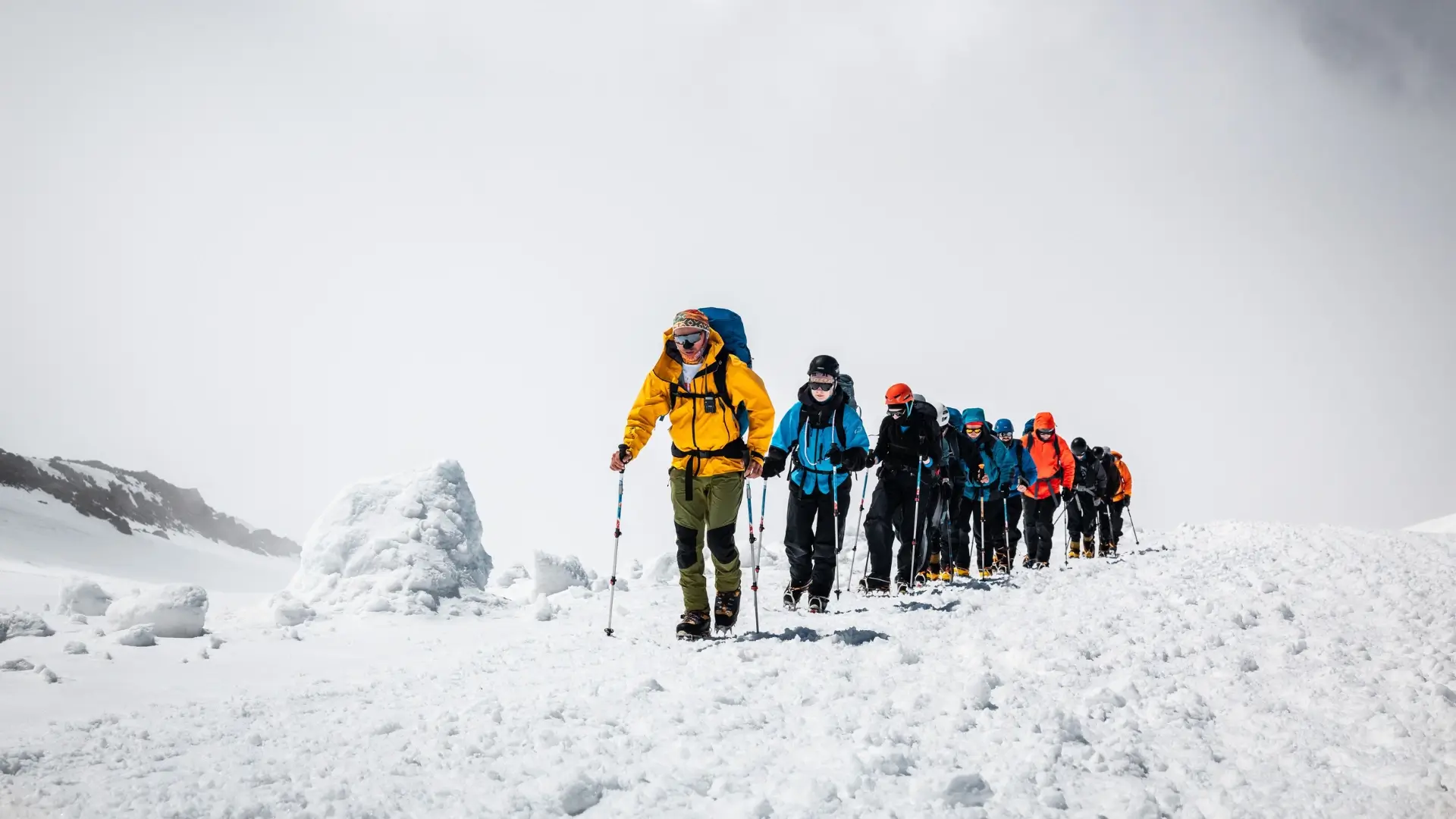
Trekking in Uttarakhand offers the finest Himalayan trail network in India, spanning emerald alpine meadows (bugyals), ancient pilgrimage routes, glacial moraines, and snow-covered mountain passes above 15,000 feet. Known globally as Devbhoomi (Land of the Gods), Uttarakhand divides its trails across two distinct geographical regions—Garhwal and Kumaon—making it accessible for weekend hikers from Delhi as well as seasoned mountaineers.
If you are researching the top 10 treks in Uttarakhand, choosing the right trail comes down to three variables: available days, seasonal snow conditions, and cardiovascular fitness. Most major expeditions begin with an early morning pickup via reputable trekking companies in Dehradun, the primary gateway to the Garhwal Himalayas, while eastern trails originate from Kathgodam in Kumaon.
Quick Comparison: Top 10 Uttarakhand Trekking Places
| Rank | Trek Name | Region | Max Altitude | Duration | Difficulty | Best Season |
| 1 | Kedarkantha Trek | Garhwal | 12,500 ft | 6 Days | Easy–Moderate | Dec – Apr |
| 2 | Valley of Flowers Trek | Garhwal | 14,400 ft | 6 Days | Easy–Moderate | Jul – Sep |
| 3 | Chopta Tungnath Chandrashila | Garhwal | 13,100 ft | 3–4 Days | Easy | Year-Round |
| 4 | Har Ki Dun Trek | Garhwal | 11,700 ft | 7 Days | Easy–Moderate | Mar – Jun, Sep – Dec |
| 5 | Kuari Pass Trek | Garhwal | 12,516 ft | 6 Days | Easy–Moderate | Dec – Apr, Sep – Nov |
| 6 | Brahmatal Trek | Garhwal | 12,250 ft | 6 Days | Easy–Moderate | Dec – Mar |
| 7 | Dayara Bugyal Trek | Garhwal | 12,000 ft | 5 Days | Easy | Year-Round |
| 8 | Rupin Pass Trek | Garhwal–HP | 15,250 ft | 8 Days | Moderate–Difficult | May – Jun, Sep – Oct |
| 9 | Gaumukh Tapovan Trek | Garhwal | 14,600 ft | 8 Days | Moderate–Difficult | May – Jun, Sep – Oct |
| 10 | Bali Pass Trek | Garhwal | 16,200 ft | 8 Days | Difficult | May – Jun, Sep – Oct |
The Top 10 Treks in Uttarakhand
1. Kedarkantha Trek (The Classic Winter Snow Trail)

-
Max Altitude: 12,500 ft | Duration: 6 Days | Difficulty: Easy–Moderate | Base Camp: Sankri | Best Time: December to April
Booking a Kedarkantha trek from Dehradun is the quintessential introduction to winter Himalayan mountaineering. Located inside the Govind Wildlife Sanctuary, this trail winds through dense oak and pine forests before opening up to Juda Ka Talab, a frozen alpine lake surrounded by towering cedar trees.
Why It’s Unmissable: Kedarkantha delivers a true summit climb experience without requiring technical climbing gear. Starting at 3:00 AM under starlight, trekkers ascend a steady snow ridge to witness a 360-degree sunrise panorama featuring Swargarohini, Bandarpoonch, Black Peak (Kalanag), and the Gangotri range. Its well-graded slopes and reliable winter snowfall make it the most popular entry among the top 10 treks in Uttarakhand.
2. Valley of Flowers Trek (The Monsoon Botanical Wonderland)
-
Max Altitude: 14,400 ft (Hemkund Sahib) | Duration: 6 Days | Difficulty: Easy–Moderate | Base Camp: Govindghat / Ghangaria | Best Time: Mid-July to Early September
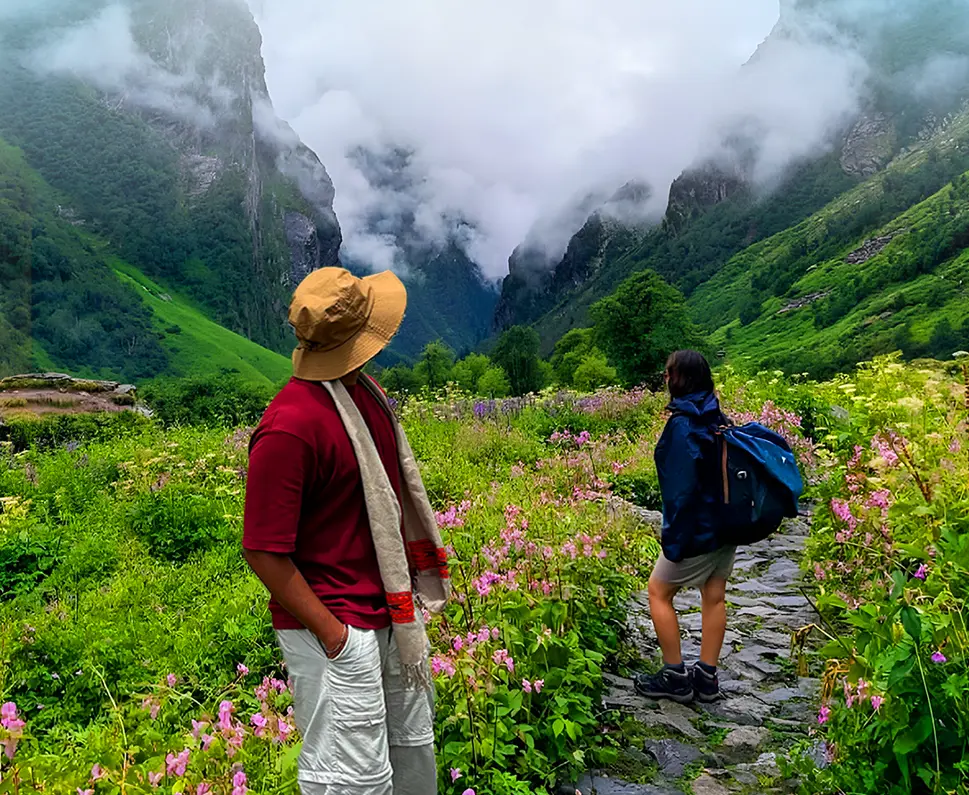
When monsoon rains close most high-altitude Himalayan routes, the Valley of Flowers Uttarakhand trek bursts into vibrant life. Recognized as a UNESCO World Heritage Site in Chamoli district, this glacial valley stretches nearly 8 kilometers along the Pushpawati River.
Why It’s Unmissable: Every two weeks between July and September, the valley changes color as over 500 species of endemic wildflowers—including the rare Himalayan Blue Poppy, Cobra Lily, and Brahma Kamal—carpet the floor beneath snow-dusted peaks. Most itineraries pair the Valley of Flowers Uttarakhand trail with a steep stone-paved climb to Hemkund Sahib (14,400 ft), a high-altitude Sikh pilgrimage site beside a pristine glacial lake.
3. Chopta Tungnath Chandrashila Trek (The Short & Scenic Summit)
-
Max Altitude: 13,100 ft | Duration: 3–4 Days | Difficulty: Easy | Base Camp: Sari / Chopta | Best Time: All Year (except heavy monsoon)
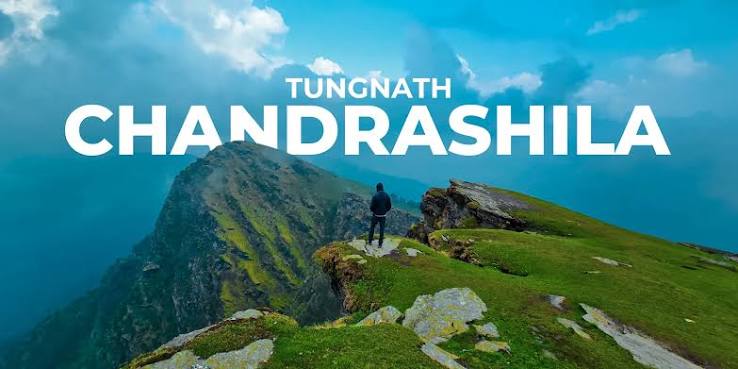
For travelers seeking maximum Himalayan grandeur over an extended weekend, the Chopta Tungnath Chandrashila trek stands unmatched. Starting from Sari village, the trail passes Deoriatal—a forest-fringed lake famous for mirroring the massive Chaukhamba massif—before ascending from the meadows of Chopta.
Why It’s Unmissable: A well-laid stone trail leads from Chopta Tungnath (12,073 ft), the highest Shiva temple in the world and one of the sacred Panch Kedar shrines. From the temple, a crisp 1.5-kilometer ridge push brings you to the Chandrashila summit. Few short Uttarakhand trekking places offer clearer views of Nanda Devi, Trishul, Kedar Dome, and Bandarpoonch in under four days.
4. Har Ki Dun Trek (The Cradle of Gods)
-
Max Altitude: 11,700 ft | Duration: 7 Days | Difficulty: Easy–Moderate | Base Camp: Sankri / Taluka | Best Time: March to June & September to December
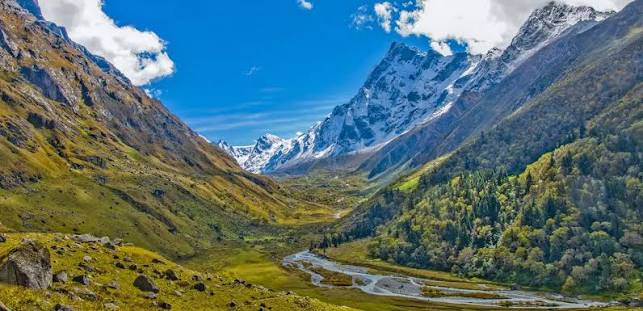
Steeped in Mahabharata folklore, Har Ki Dun is a cradle-shaped hanging valley situated at the base of the Fateh Parvat range. Local legend holds that the Pandavas ascended to heaven through the peaks overlooking this valley.
Why It’s Unmissable: Beyond its alpine scenery, Har Ki Dun is a living cultural museum. The route passes through Osla and Gangad—2,000-year-old Himalayan villages featuring intricately carved wooden temples and slate-roofed homes untouched by modern urban sprawl. Walking alongside the Supin River with Swargarohini-I dominating the horizon makes it a timeless classic for trekking in Uttarakhand.
5. Kuari Pass Trek (The Lord Curzon Trail)
-
Max Altitude: 12,516 ft | Duration: 6 Days | Difficulty: Easy–Moderate | Base Camp: Joshimath / Dhak | Best Time: December to April & September to November
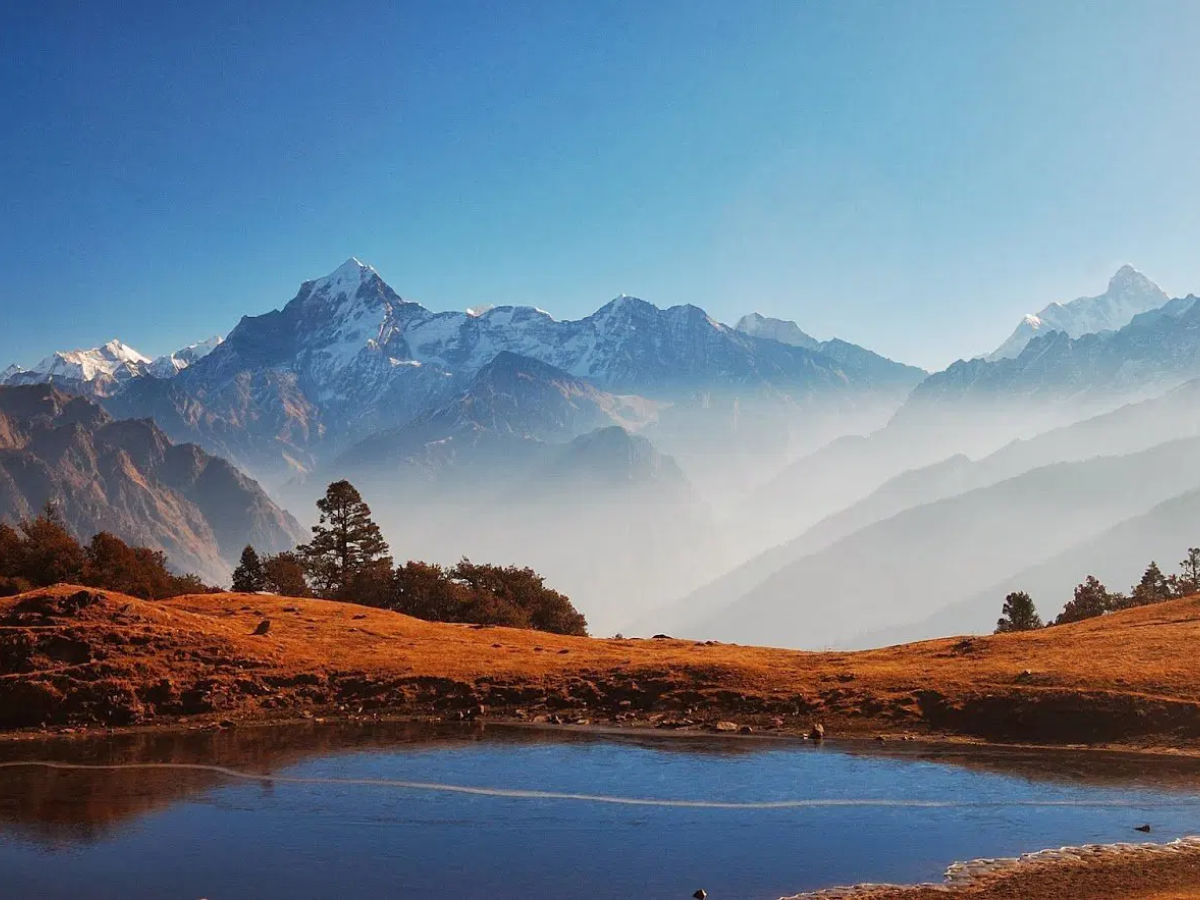
Originally explored in 1905 by British Viceroy Lord Curzon, Kuari Pass sits on the outer rim of the Nanda Devi Biosphere Reserve. The trail traverses ancient oak and rhododendron forests that glow crimson in spring and turn into silent white corridors in winter.
Why It’s Unmissable: Kuari Pass offers the finest close-up amphitheater of India’s highest resident peaks. From the Gorson Bugyal meadow and the pass itself, trekkers stand face-to-face with Mount Nanda Devi (25,643 ft), Dronagiri, Kamet, and Hathi-Ghoda Parvat.
6. Brahmatal Trek (The Frozen Alpine Lake Trail)

-
Max Altitude: 12,250 ft | Duration: 6 Days | Difficulty: Easy–Moderate | Base Camp: Lohajung | Best Time: December to March
While many winter trails close due to avalanche risks, Brahmatal remains safe and accessible throughout peak winter. Located in the Chamoli region, the trail takes hikers past two high-altitude alpine lakes—Bekaltal and Brahmatal—that freeze solid between January and February.
Why It’s Unmissable: Ridge walks between Tilandi and Jhandi Top provide uninterrupted views of towering 7,000-meter peaks, specifically Mount Trishul and Nanda Ghunti. Because the trail stays largely along open ridges rather than narrow valleys, photographers get golden-hour lighting across the snowfields all day.
7. Dayara Bugyal Trek (The Vast Alpine Meadow)

-
Max Altitude: 12,000 ft | Duration: 5 Days | Difficulty: Easy | Base Camp: Raithal / Barsu | Best Time: All Year
Spanning roughly 28 square kilometers in Uttarkashi district, Dayara Bugyal is one of India’s largest and most picturesque high-altitude meadows.
Why It’s Unmissable: Its gentle gradient makes it the safest option among Uttarakhand trekking places for families, children, and first-time hikers. In summer, shepherds graze flocks across rolling green pastures framed by Gangotri peaks; in winter, the entire expanse transforms into a pristine snow bowl ideal for backcountry skiing and snowshoeing.
8. Rupin Pass Trek (The Dramatic Crossover)

-
Max Altitude: 15,250 ft | Duration: 8 Days | Difficulty: Moderate–Difficult | Base Camp: Dhaula (Uttarakhand) to Sangla (Himachal) | Best Time: May to June & September to October
Rupin Pass is a masterclass in changing landscapes, transitioning daily from dense pine forests in Uttarakhand to barren glacial moraines and into the Kinnaur valley of Himachal Pradesh.
Why It’s Unmissable: Every camp brings a distinct visual surprise: the cliff-hanging wooden village of Jakha, walking across snow bridges over the Rupin River, camping beside a three-stage waterfall at Lower Waterfall Camp, and scrambling up a near-vertical snow chute to reach the pass.
9. Gaumukh Tapovan Trek (The Source of the Ganges)
-
Max Altitude: 14,600 ft | Duration: 8 Days | Difficulty: Moderate–Difficult | Base Camp: Gangotri | Best Time: May to June & September to October
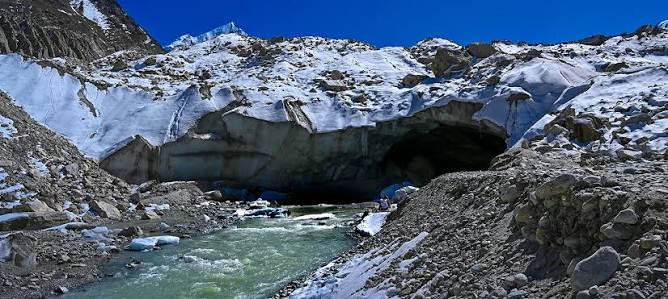
Beginning at the sacred temple town of Gangotri, this expedition follows the Bhagirathi River directly to Gaumukh—the snout of the Gangotri Glacier—before ascending the steep moraine wall to Tapovan.
Why It’s Unmissable: Tapovan is a surreal high-altitude meadow sitting directly beneath the vertical, pyramid-shaped spire of Mount Shivling (21,467 ft). Standing on the glacier edge surrounded by the Bhagirathi sisters creates an unmatched blend of raw geological scale and spiritual solitude.
10. Bali Pass Trek (The Ultimate High-Altitude Challenge)
-
Max Altitude: 16,200 ft | Duration: 8 Days | Difficulty: Difficult | Base Camp: Sankri to Janki Chatti | Best Time: May to June & September to October
Connecting the Har Ki Dun valley with the Yamunotri pilgrimage trail, Bali Pass is a demanding crossover built for experienced trekkers seeking technical terrain.
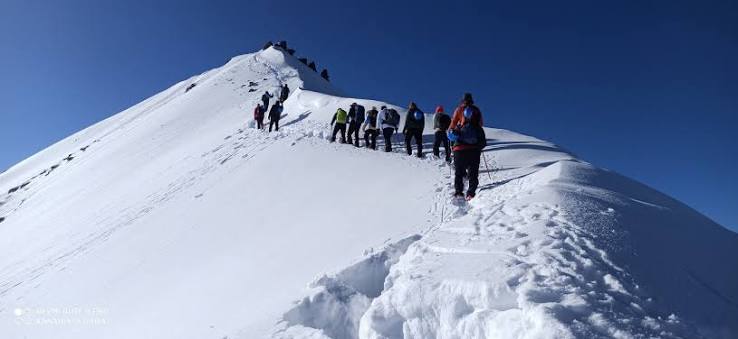
Why It’s Unmissable: The route passes the emerald glacial waters of Ruinsara Tal before requiring crampons, microspikes, and fixed ropes to traverse a razor-thin ridge at 16,200 feet, rewarding climbers with dramatic views of Bandarpoonch and Kalanag.
Garhwal vs. Kumaon: Expanding Your Horizon
While the top 10 treks in Uttarakhand listed above sit primarily in the Garhwal division due to direct road connectivity from Dehradun, eastern Uttarakhand offers equally compelling trails. Choosing a Kumaon trek—such as Pindari Glacier, Kafni Glacier, or Milam Glacier—gives hikers quieter trails, authentic Bhotiya village hospitality, and dramatic views of the Panchachuli peaks. Additionally, high-altitude mystery trails like the Roopkund trek remain subject to seasonal eco-tourism regulations protecting fragile alpine meadows, making proper permit verification essential before planning.
Essential Preparation for Trekking in Uttarakhand
-
Permits & Registration: Foreign nationals and domestic trekkers entering protected zones (like Govind Wildlife Sanctuary or Nanda Devi Biosphere Reserve) require forest entry permits, government photo ID, and a medical fitness certificate signed by a registered doctor within 15 days of the trek.
-
Dehradun Logistics: Most operators run overnight transport from Delhi to Dehradun, followed by a 7-to-10-hour scenic mountain drive to base camps like Sankri, Lohajung, or Joshimath.
-
Physical Conditioning: Begin building aerobic endurance at least 4 to 6 weeks prior. Aim to jog 5 kilometers in under 32 minutes and incorporate stair climbing with a 6–8 kg backpack to prepare your knees for steep descents.
-
Smart Layering: Avoid cotton clothing entirely. Pack moisture-wicking thermal base layers, a fleece mid-layer, a windproof down jacket rated to -10°C, waterproof Gore-Tex outer shells, and broken-in high-ankle trekking boots.
Frequently Asked Questions (FAQs)
1. What is the best time for trekking in Uttarakhand?
Uttarakhand offers year-round trekking depending on your goal. December to March is best for winter snow trails like Kedarkantha and Brahmatal. April to June and September to November provide crisp skies for high-altitude passes like Rupin Pass and Kuari Pass, while July to September is exclusive to the Valley of Flowers.
2. Which is the easiest trek in Uttarakhand for beginners?
The Chopta Tungnath Chandrashila trek and Dayara Bugyal trek are the most beginner-friendly options. Both feature well-defined trails, gradual elevation gains under 13,100 feet, and short durations (3 to 5 days), making them ideal for first-time Himalayan hikers and families.
3. How do I reach the base camps for a Kedarkantha trek from Dehradun?
To start a Kedarkantha trek from Dehradun, board an early morning shared cab or operator tempo traveler from Dehradun Railway Station or ISBT to Sankri base camp. The 200-kilometer mountain drive via Mussoorie, Naugaon, and Purola takes approximately 8 to 9 hours.
4. Do I need a guide or forest permit for Uttarakhand trekking places?
Yes, forest department permits and camping fees are mandatory across almost all national parks and sanctuaries in Uttarakhand. While solo hiking is permitted on commercialized routes like Chopta trek, hiring certified local guides or booking with established trekking companies in Dehradun is strongly recommended for high-altitude snow passes.
5. How should I prepare physically to prevent Acute Mountain Sickness (AMS)?
Focus on cardiovascular training (running, cycling, swimming) 4–6 weeks before departure, stay hydrated with 3–4 liters of water daily on the trail, avoid alcohol and smoking, and follow a gradual ascent profile with a dedicated acclimatization rest day above 10,000 feet.
Final Thoughts
Whether you are chasing your first Himalayan sunrise from the summit of Chandrashila, walking through monsoon blooms in the Valley of Flowers, or testing your endurance across Bali Pass, trekking in Uttarakhand offers a trail tailored to every season and skill level.
Which of these 10 Uttarakhand treks is at the top of your bucket list? Share your target travel month or fitness level in the comments below, and check out our complete Himalayan winter packing checklist before you hit the trail!